
Considering homeschooling your child? It’s a big decision! This approach to education offers a unique opportunity, but it’s not a one-size-fits-all solution. Before diving in, it’s crucial to weigh the pros and cons, considering your child’s specific needs and your own family dynamic. Let’s explore the advantages and disadvantages of homeschooling across different age groups, along with actionable tips to help you make an informed choice. We’ll also weave in real-life stories and research findings to paint a clearer picture.
Early Learners (5-8 Years Old):
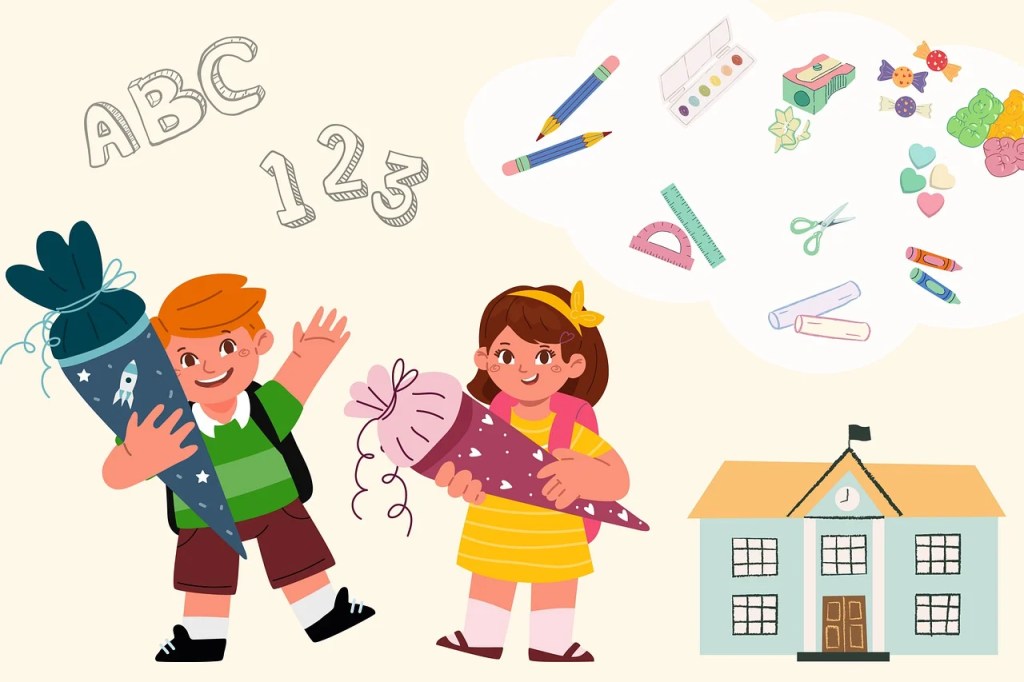
- Advantages: Homeschooling allows for a play-based approach that caters to a young child’s natural curiosity. Take Sarah, for example. Sarah’s mom, a marine biologist, homeschooled her and used their beach trips as science lessons. They collected seashells, identified different marine life, and even built a miniature coral reef together! This fostered a love for science that continues through Sarah’s teenage years.
- Disadvantages: Socialization is key. Consider creating opportunities for your child to interact with peers through playgroups, sports teams, or community events. The Jones family, who homeschooled their twins, found success by joining a local homeschooling co-op that offered weekly playdates and art classes.
- Actionable Tip: Utilize online resources and local homeschooling communities to find playdates, enrichment activities, and field trips that spark your child’s imagination.
- Product that can aid in this ages group learning: the Leap frog Leap reader. STRONGLY recommended and will accelerate learning with your young one as they further develop their cognitive functions
Middle Grades (9-12 Years Old):
- Advantages: This is a period of rapid intellectual growth. Homeschooling allows you to delve deeper into subjects your child finds fascinating, while addressing any learning gaps. Take David, for instance. David struggled with traditional math classes. His parents homeschooled him and used a hands-on approach, incorporating math concepts into everyday activities like cooking and carpentry. This personalized approach helped David excel in math.
- Disadvantages: Curriculum development and maintaining a structured learning environment can be challenging. Consider joining online homeschooling co-ops or virtual classes for specific subjects to provide variety and interaction with peers. The Miller family homeschooled their two children but enrolled them in a virtual history class with students from around the world, enriching their learning experience.
- Actionable Tip: Research different homeschooling philosophies like project-based learning or classical education to find the approach that best aligns with your child’s learning style and your teaching goals. A study published in the Journal of Educational Psychology found that homeschooled students often outperform their traditionally schooled peers in standardized testing [Link to study].
- I recommend “BRAINOMETRY“ For your kids STEM development. This boost their understanding of the foundational society pillars and they will be a step ahead of their peers
- Click word above for recommended product.
Teenagers (13-17 Years Old):

- Advantages: Homeschooling allows for a more personalized approach to college prep. You can tailor the curriculum to highlight your teen’s strengths and target areas that need improvement. Homeschooling can also create more time for pursuing passions like internships or independent study. The Williamsons homeschooled their daughter, allowing her to volunteer at an animal shelter while completing advanced science courses online. This experience solidified her desire to pursue veterinary medicine.
- Disadvantages: Social interaction becomes even more crucial during the teenage years. Ensure your child has opportunities to connect with peers through extracurricular activities, clubs, or volunteer work. The Andersons, who homeschooled their son, encouraged him to join the debate team at the local high school, fostering social interaction and public speaking skills.
- Actionable Tip: Involve your teen in the curriculum planning process. Let them choose electives that fuel their passions. Consider dual enrollment programs at local colleges to expose them to a college environment while earning credits towards graduation.
Homeschooling is a Journey:
Ultimately, the decision to homeschool is deeply personal. There’s no shame in starting homeschooling and then transitioning your child back to traditional schooling if needed. The key is to prioritize your child’s well-being and educational development.
Remember: Homeschooling doesn’t have to be a solitary endeavor. Connect with local homeschooling groups, online communities, and educational resources to create a supportive network for yourself and your child.
Empowering Parents, Building a Brighter Future:
BrikPak is dedicated to empowering parents on their parenting journey. Explore our blog for more actionable tips on communication, lifelong learning for all ages, and building a strong parent-teacher partnership.
Let’s build a brighter future, together!
Key Takeaway: Homeschooling offers a unique and potentially enriching experience, but it requires careful consideration. Evaluate your child’s needs, research different approaches, and build a strong support network to ensure a successful and fulfilling educational journey.
 Building Blocks & Backpacks
Leave a comment